
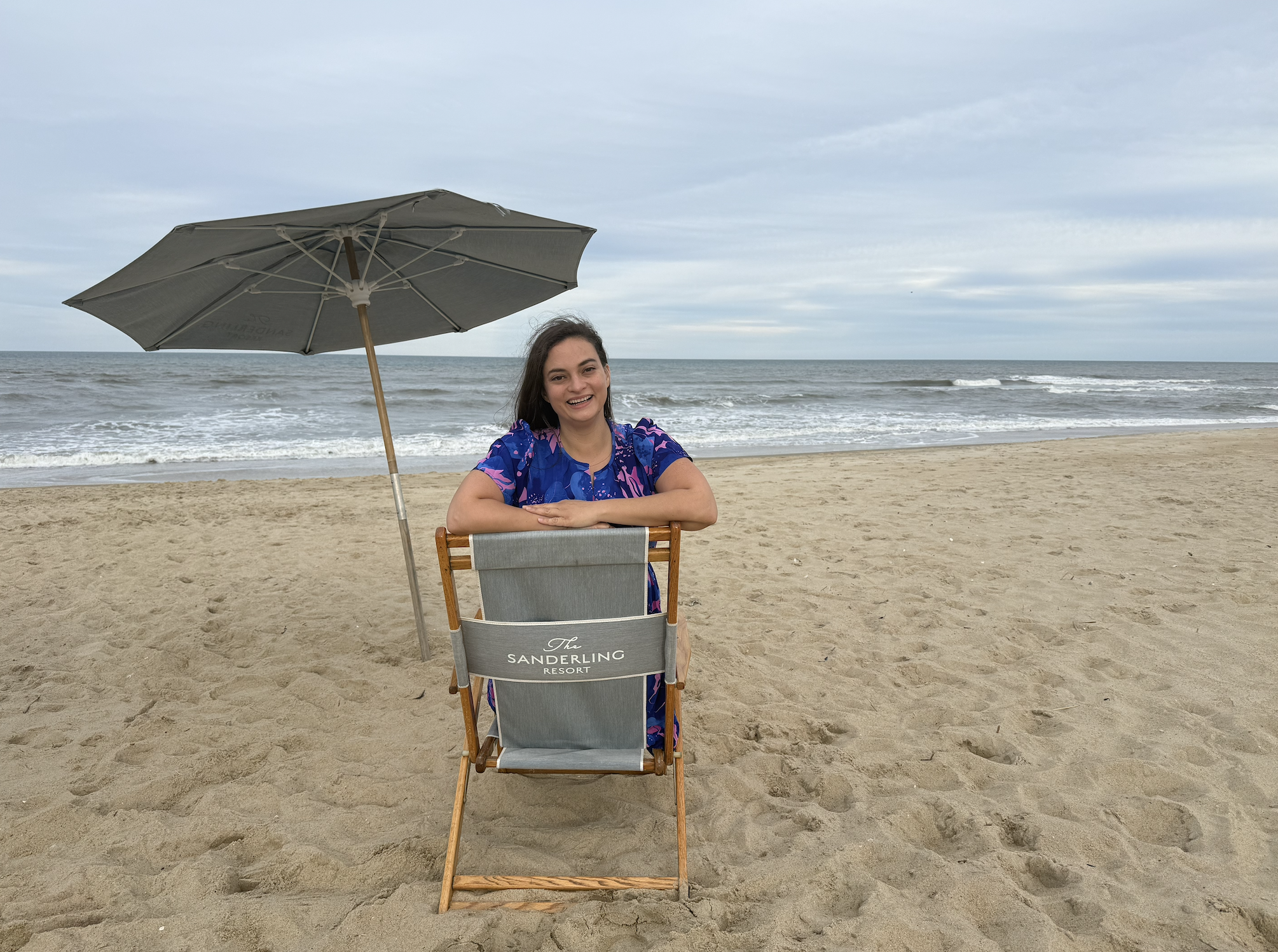
The Outer Banks is the quintessential vacation destination. It’s a place that once people visit, they return to year after year.
Before planning your trip, it helps to understand what makes the Outer Banks so unique.
The Outer Banks is truly remote

One of the defining characteristics of the Outer Banks is its geography. The islands are narrow, exposed, and connected largely by a single highway that runs north and south along the coast.
In some stretches, the Atlantic Ocean sits on one side of the road while the sound lies just across from it on the other.
The distance from major cities gives the area a sense of separation that many beach towns lost long ago.
To reach Ocracoke, one of the most remote islands in the U.S., I had to take two flights, a 2-hour car drive, and a one-hour car ferry.
If you’re looking to get away from it all, without being so remote that you don’t have cell service or access to modern amenities, this is the perfect place.
OBX is primarily a vacation destination
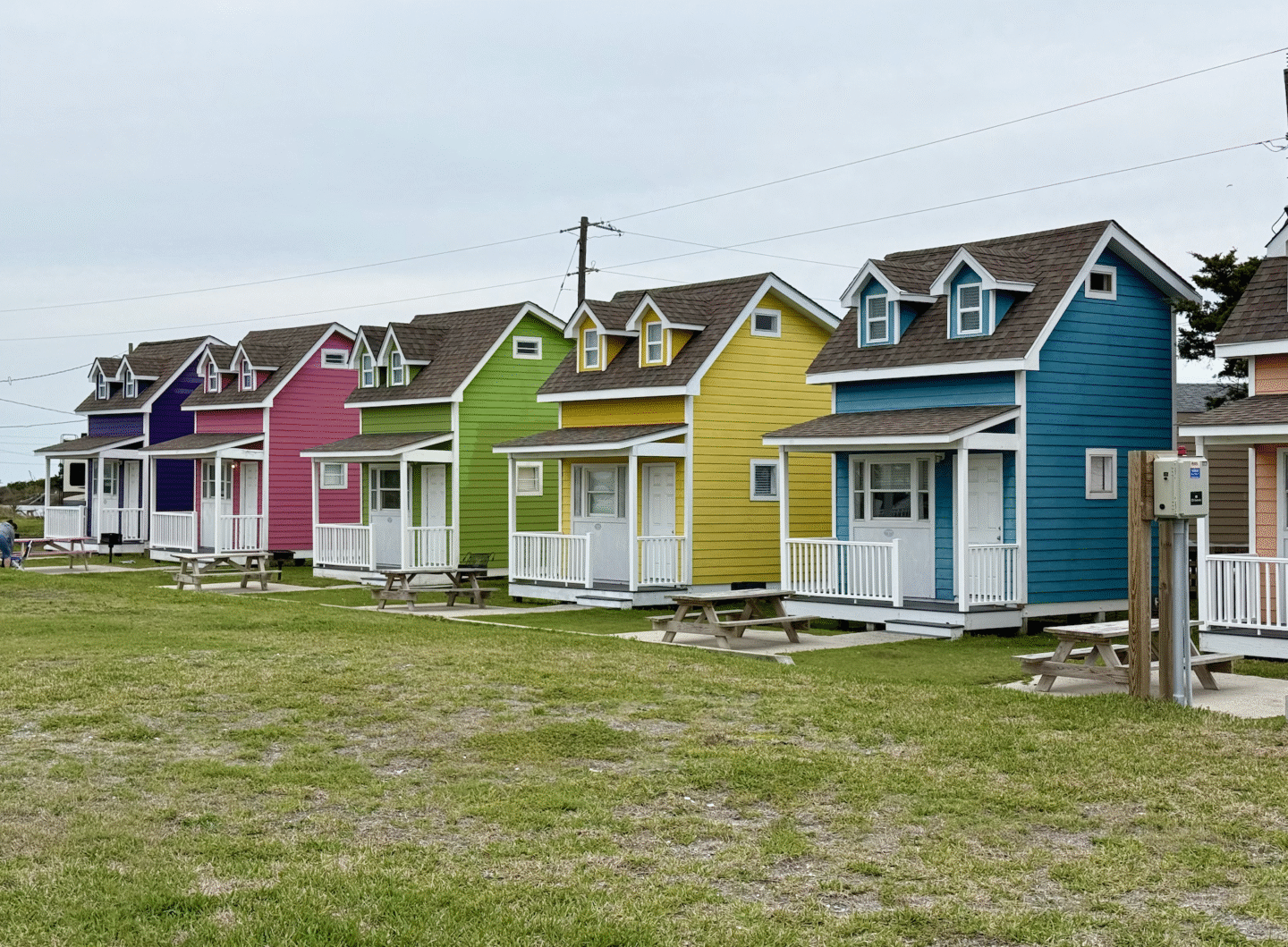
The Outer Banks developed around rental homes far more than large hotels or resorts, and that influences the entire atmosphere of the region.
Families and groups often rent houses for a full week, settling into routines that revolve around beach days, seafood dinners, bike rides, and evenings spent on porches overlooking the water.
In towns like Duck, Hatteras, and Nags Head, rows of beach houses create neighborhoods that feel residential rather than heavily commercialized. Many visitors return to the same house every summer, building traditions that span generations.
The town names are… unusual
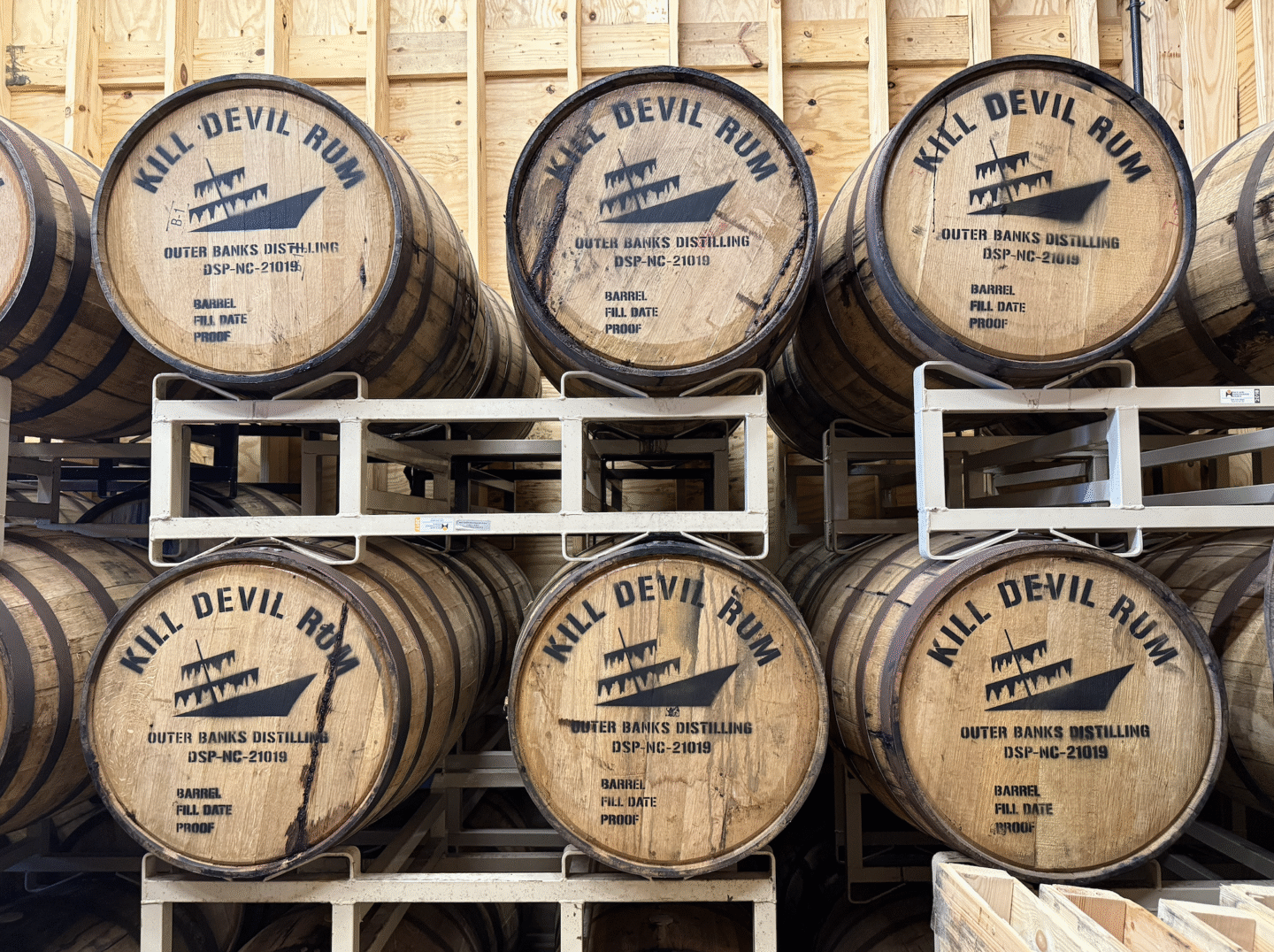
The names scattered across the Outer Banks often spark curiosity long before visitors arrive. Kill Devil Hills, Nags Head, Kitty Hawk, and Rodanthe all sound slightly mysterious, and many of them trace back to centuries-old maritime stories and local legends.
Kill Devil Hills is commonly linked to the rum once referred to as being strong enough to kill the Devil, hidden by sailors in the sand dunes. Nags Head is connected to stories of pirates luring boats to shipwreck for looting using horses (“nags”) with lanterns tied around their necks to wrongfully mimic a lighthouse.
The unusual names fit a coastline shaped by legends along what’s known as the Graveyard of the Atlantic.
RELATED POST: THINGS TO DO IN DURHAM, NORTH CAROLINA
There’s a National Seashore here
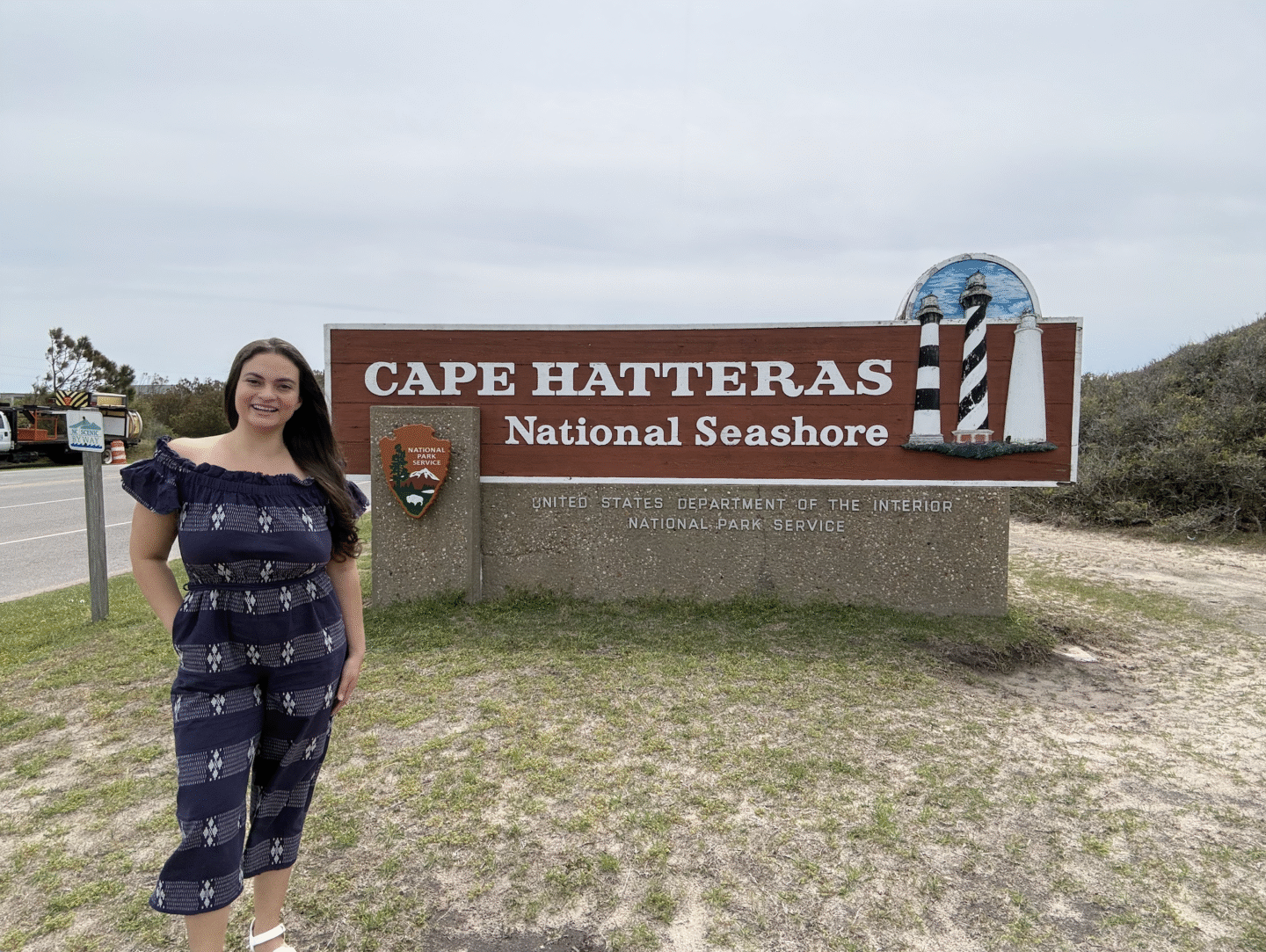
One reason the Outer Banks still feels so wonderfully preserved and undeveloped compared to many coastal destinations is the amount of protected land throughout the region.
Cape Hatteras National Seashore became America’s first national seashore in 1953, preserving large sections of dunes, beaches, marshes, and maritime forests from heavy development.
The preservation of these landscapes allows visitors to experience a version of the Atlantic coast that has become increasingly difficult to find elsewhere.
You’ll be hard pressed to find better seafood
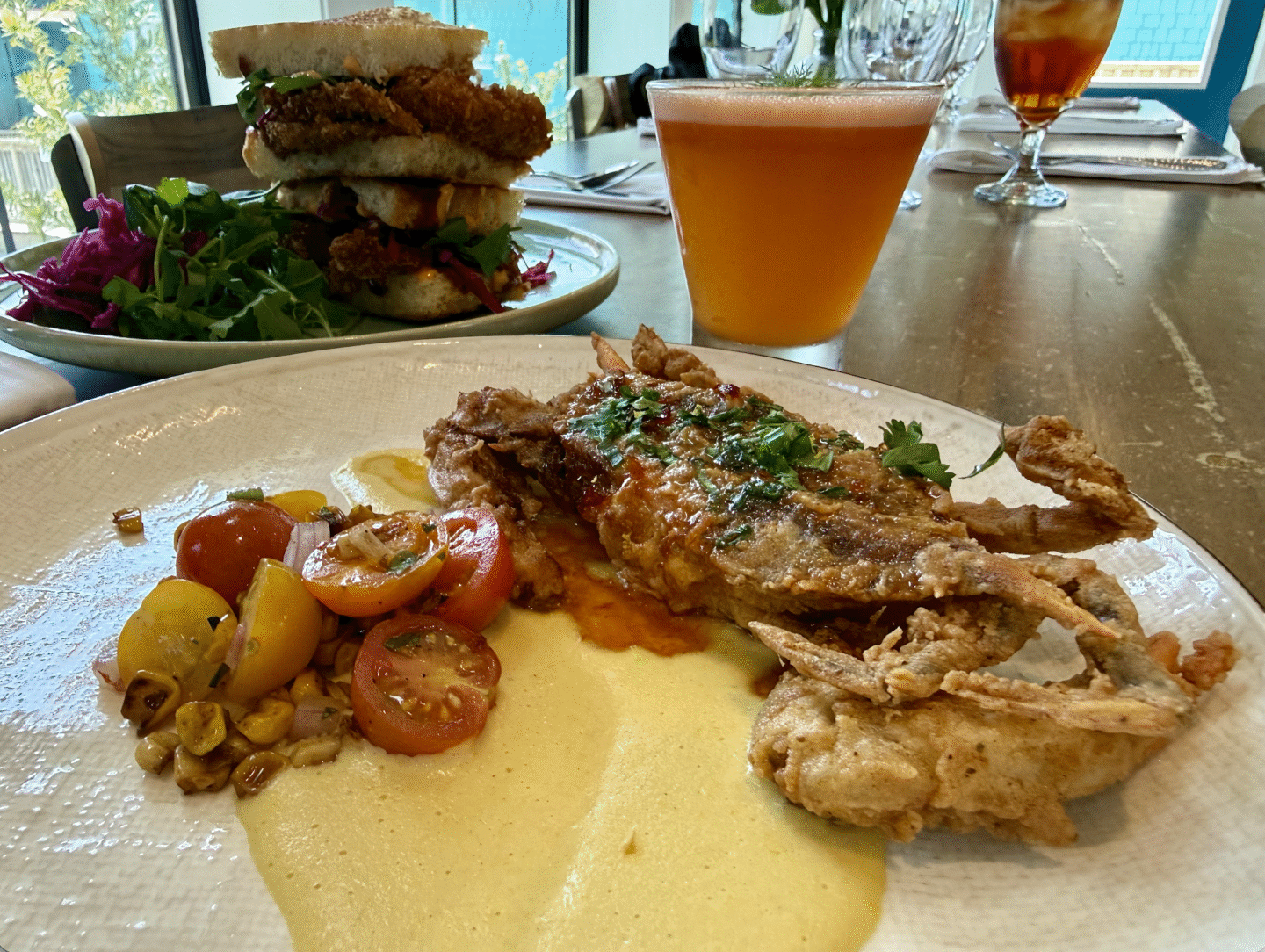
Seafood is deeply connected to the culture and economy of the Outer Banks, and nearly every town has restaurants serving fresh local catches.
Depending on the season, menus often feature oysters, soft-shell crabs, shrimp, tuna, flounder, scallops, mahi-mahi, and blue crab harvested from nearby waters.
Soft-shell crab season is especially memorable for visitors unfamiliar with coastal North Carolina cuisine. Prepared fresh, the crab becomes tender enough to eat whole, creating one of the region’s most distinctive dishes.
Oysters are another highlight, particularly local North Carolina varieties that reflect the briny waters of the sounds and inlets surrounding the islands.
In many restaurants, the seafood served that evening was swimming in the water earlier that same day.
The original Duck Donuts started here

What eventually became a national chain began as a small beach-town donut shop in Duck, North Carolina.
The original Duck Donuts location still draws long lines, though they have the process down to a science.
The donuts are made fresh to order and served warm, with combinations ranging from maple bacon to s’mores. There are hundreds of flavor combinations, and they narrow down their top 30 or so on a picture menu.
Driving requires patience and planning
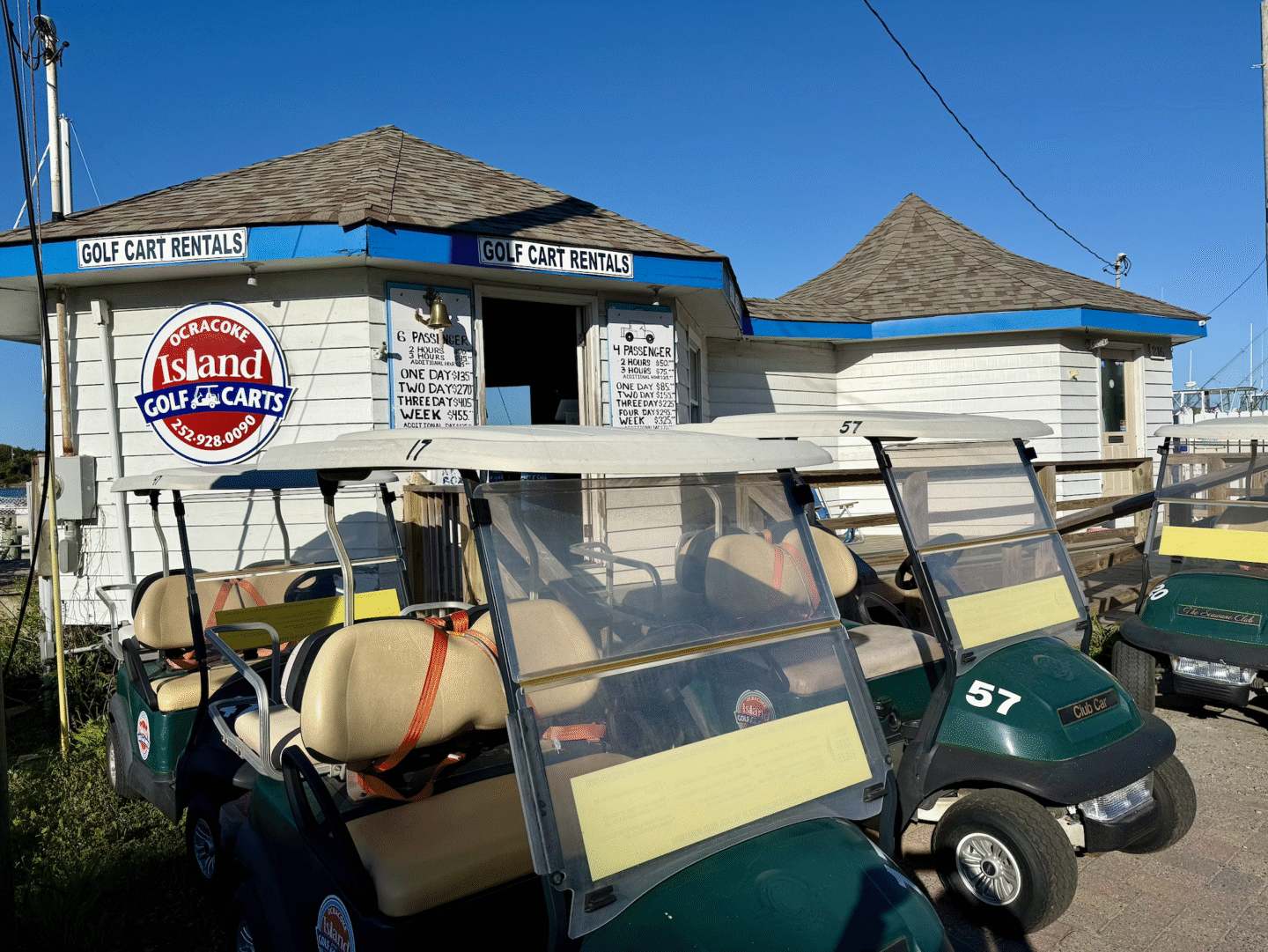
Because the islands rely heavily on a single main roadway, traffic patterns can become slow during peak travel weeks.
Areas near Duck are especially known for congestion, where narrow roads, heavy pedestrian activity, cyclists, and vacation traffic all compete for limited space.
Speed limits are strictly enforced throughout much of the Outer Banks, so don’t rush.
Weather can be unpredictable
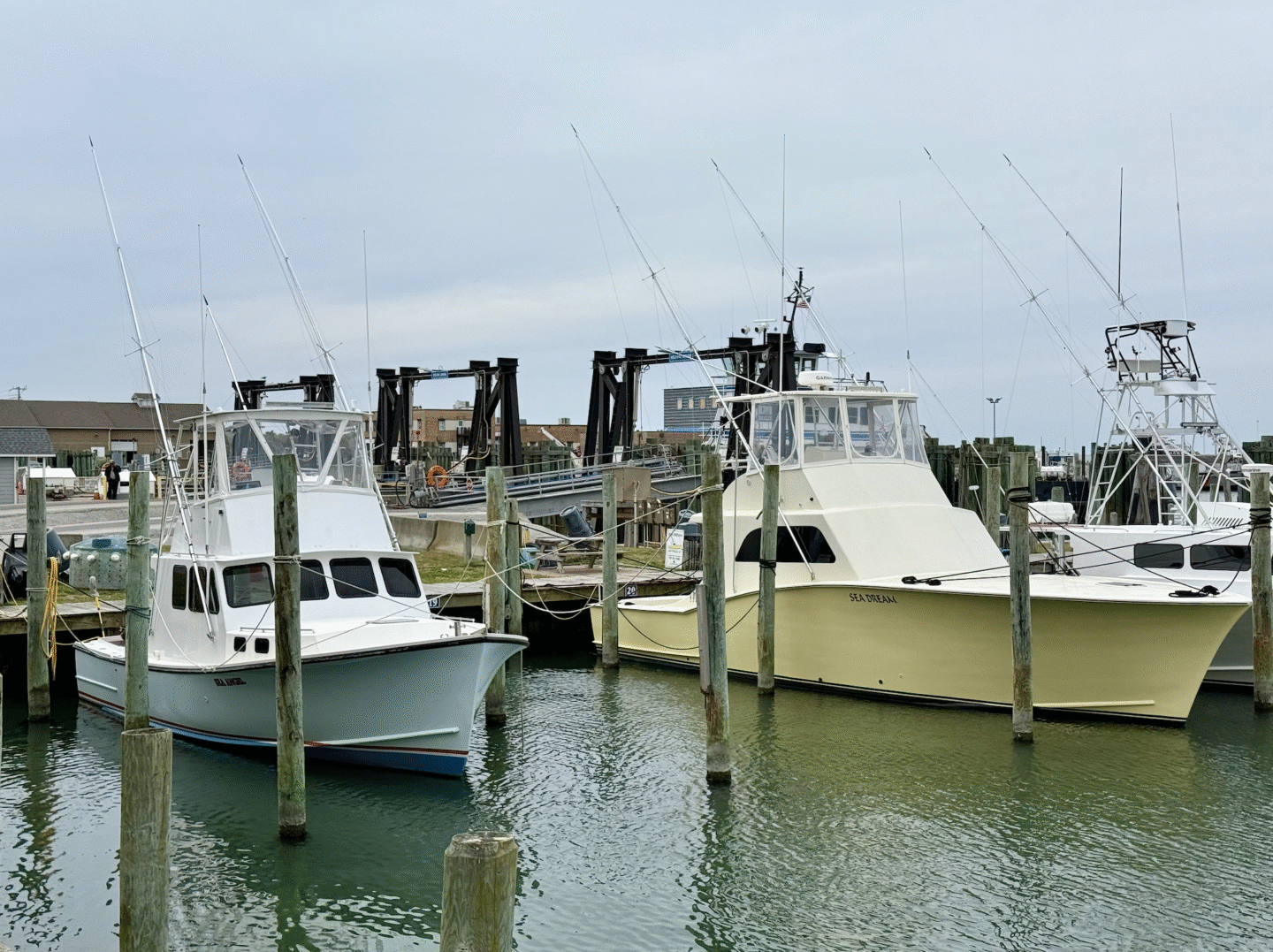
The Outer Banks sits directly exposed to the Atlantic Ocean, and weather conditions can change rapidly. Wind, fog, rain, and storms move across the islands quickly, sometimes transforming the atmosphere within hours.
Hurricane season remains an important consideration during late summer and early fall travel planning. While many vacations proceed without issue, weather forecasts play a larger role here than they might in more sheltered destinations.
So much so that historic weather stations are actually attractions on your visit, but I digress.
The brilliant sunsets after summer rainstorms are part of the coastal experience.
You’ll experience living history

The Outer Banks has a remarkable amount of history for a relatively small stretch of coastline.
That history can be seen throughout the region in museums, lighthouses, trails, and local storytelling.
Visitors can stand near the site of the Wright brothers’ first powered flight in Kitty Hawk, explore the waters associated with Blackbeard near Ocracoke, and learn about the first life-saving station in the country to have an all-Black crew. You can even see the Mother Vine, the oldest grape vine in the United States!
This combination of protected coastline, maritime history, local traditions, and physical isolation creates a place that feels increasingly rare along the modern East Coast.
if you’re looking to have a truly relaxing and scenic coastal holiday, the Outer Banks is for you.